What to Do After a Holiday Where a Dog Barely Ate
A veterinarian explains how to reset feeding, hydration, and activity after travel-related appetite loss, and when to call the clinic.
Most dogs eat lightly on a trip from stress and routine change, and my job is to help you tell that normal rebound from a problem that needs a visit.
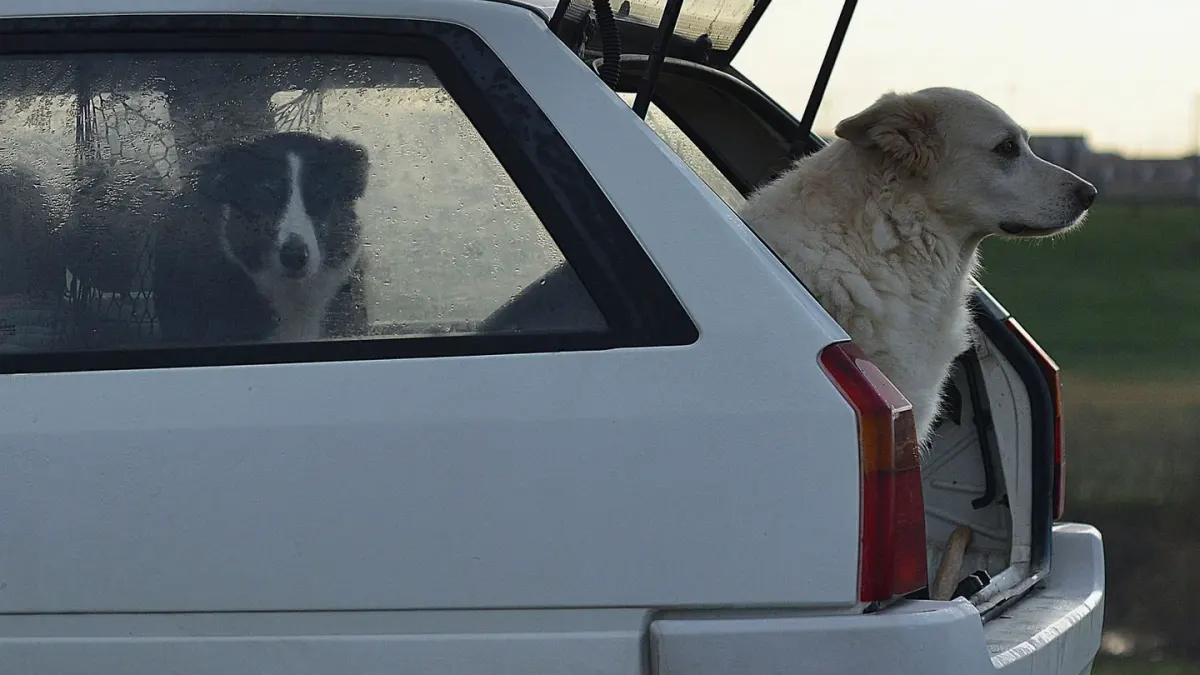
You come home with the suitcases still by the door, you pour the usual kibble, and your dog sniffs it and walks away. After three nights in a rental where a 6-year-old, 48-pound shepherd mix ate maybe a cup a day and skipped breakfast twice, that pause at the bowl feels alarming even when the tail is still wagging. I counsel owners to expect this lag. Travel disrupts schedule, sleep, water taste, exercise, and gut rhythm, and appetite is often the last thing to normalize.
My recommendation is boring on purpose: keep the first 48 hours quiet, bland, and measured, and let baseline behavior decide what happens next. That means regular food in regular amounts, fresh water, leash walks, and a simple log of what is eaten, drunk, urinated, and passed. The strongest counterargument is to coax with toppers, rotisserie chicken, cheese, and new treats to “make up calories.” I understand the impulse, but rich add-ons after a stretch of low intake are a common trigger for vomiting and diarrhea, which then looks like the trip made the dog sick when the recovery plan did.
Your 48-hour reset checklist
- Offer the regular diet at regular times; measure it so you know what “barely ate” really meant.
- Keep extras to 10% or less; no new chews, fatty scraps, or holiday leftovers.
- Track water, urine, stool, vomits, energy, and any weight change you can feel at ribs and waist.
- Keep exercise easy for two days; sniff walks over fetch or a long run.
- Recreate the home routine for sleep, crate placement, and quiet time.
- Call your veterinarian if there is no interest in food by day 2 home, repeated vomiting, bloody stool, belly pain, marked lethargy, or no water intake.
That list is the whole plan, and the rest of this guide explains why each line earns its place.
Appetite after travel is usually about stress, not stubbornness
Dogs are routine learners. A new bed, late nights, car hours, unfamiliar dogs, and changed walk times raise arousal and suppress hunger signals. Mild motion sickness, constipation from holding it, or loose stool from different water and treats can do the same. For most healthy adult dogs, appetite rebounds within 24 to 48 hours once the house is calm and the schedule is predictable.
The VCA Hospitals overview of anorexia in dogs makes a useful distinction I use with clients: distinguish a dog that will eat treats but not meals from a dog that will not eat at all, and note energy, vomiting, diarrhea, and water intake alongside. That framing keeps you from chasing the wrong fix.
By day 10 after return I want owners to see normal portions, normal stool, and normal spark on walks.
You do not need to switch foods to “reset” the gut.
Refeed like you mean it: small, plain, and on schedule
By the second morning home I had a client with a 9-year-old, 22-pound beagle mix who had grazed through a long beach weekend and then refused dinner on return. She had tried warming the food, then sardines, then a drive-through plain burger when the sardines failed, and the dog vomited yellow foam at 2 a.m. It was not a new disease. It was three novel fats stacked on an empty, travel-tired stomach, followed by worry that the vomit meant she should try something even tastier. We stopped the experiments, went back to half-portions of the regular diet three times daily for two days, kept water fresh and walks short, and appetite steadied without another vomit.
That failed sequence is why I stay strict about refeeding. Offer three-quarters to a full measured portion at normal times, pick the bowl up after 20 minutes, and record what disappeared. If the dog eats half and walks away bright, that is information, not failure. The Merck Veterinary Manual overview of digestive disorders in dogs notes how diet change, indiscretion, and stress can disturb normal digestion, which supports a plain, consistent approach while you watch.

Keep hydration simple. Wash the bowl, offer fresh water, and watch urination more than you watch milliliters. If your dog drank lake or salt water on the trip, or rode long hours without breaks, review what good travel setups look like in Best Dog Car Travel Gear: A Brand-Neutral Buyer’s Guide and plan relief stops with Airport Pet Relief Areas: How They Work before the next flight.
When low intake after a holiday is not just travel
Most cases resolve. I escalate when the pattern breaks from a simple rebound.
Call sooner if your dog refuses all food and all treats for a full day home, drinks markedly less or markedly more, vomits more than once, has bloody diarrhea or black tarry stool, strains without producing stool or urine, pants with a painful or distended belly, or seems flat and unwilling to walk. Puppies, seniors, small breeds, and dogs on medication have less reserve, so I lower the threshold for them. Dogs with known kidney disease, liver disease, diabetes, pancreatitis history, or intestinal blockage risk should not “wait it out” through a second missed day.
Three weeks in is my other edge case. A 4-year-old, 65-pound doodle type came home from a mountain cabin eating lightly, improved for a week, then slid backward with soft stool and early-morning lip-licking. Travel had not caused chronic disease, but it had exposed it: irregular feeding and table scraps had masked a food-responsive gut issue that needed a workup, not another bland week. If the curve improves then worsens, or if weight loss, intermittent vomiting, or soft stool persists beyond 10 to 14 days, book an exam with a diet history and bring the log. A short note about what changed on the trip — new water source, missed preventives, lake swimming, long car days detailed in Beach Trips With Your Dog: Safety and Etiquette — helps more than a bag of new supplements.
For joint-stiff or older travelers, keep the first walks flat and brief and save the make-up hike for later in the week.
Expectation first: a quiet dog with a normal nose, normal thirst, and a little less hunger for a day is recovering. A dog that will not engage, hydrate, urinate, or keep plain food down is telling you something else.
Frequently asked questions
How long can a healthy dog go without eating after travel before I worry?
Many dogs eat lightly for 24 hours home and normalize by 48 hours. Call your veterinarian if there is no interest in any food by day 2 home, or sooner for vomiting, bloody stool, belly pain, lethargy, or no water intake.
Should I offer chicken and rice instead of kibble?
For a bright dog with mild soft stool, small frequent meals of the regular diet are usually enough. If you use a bland diet short-term, keep it plain, brief, and transition back over several days, and ask your clinic what fits your dog.
Can I add toppers to make up missed calories?
I would not stack rich toppers after low intake. They often cause vomiting or diarrhea that delays recovery. Measure the regular diet, offer it on schedule, and track intake instead.
Sources
- Anorexia in Dogs — VCA Hospitals