Why a Dog Skips Dinner on the First Night Away and How to Help
A vet explains why travel stress suppresses appetite on night one, how to support normal eating, and red flags that mean call your vet.
When your dog skips dinner the first night away, travel stress is usually why — and routine helps.
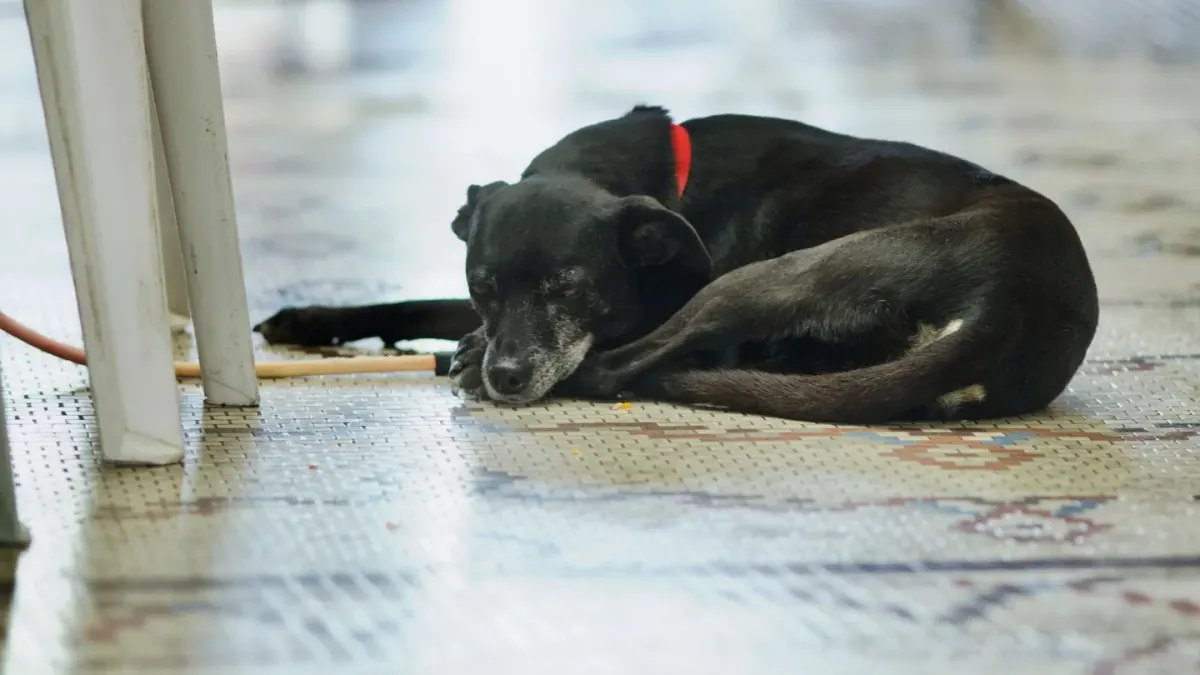
You arrive, you unpack, you set down the familiar bowl, and your dog sniffs it and walks away. I counsel owners to expect that exact moment on night one.
My position is simple: treat a single skipped dinner as a normal stress response, protect routine and rest first, and do not try to fix it with rich new foods. That expectation keeps most dogs eating again by morning, and it keeps you from creating a stomach problem on top of travel nerves.
I was thinking about a trip last fall with a four-year-old, 48-pound cattle-dog mix who rode six hours to a cabin and arrived around 9 p.m. She drank a little water, circled her bed twice, then ignored the full cup of kibble her owner set down at 9. She panted lightly, checked the door every few minutes, and finally curled up without eating a bite. By 7 a.m. she ate half her breakfast, then finished the rest after a short sniff walk. That 10-hour gap with no vomiting, no diarrhea, and normal energy is the pattern I tell clients is typical for night-one appetite loss.
What actually changes for your dog on night one
Travel stacks small stressors: motion, new smells, different water, late feeding time, unfamiliar floor texture, and you acting a little rushed. Appetite drops because vigilance goes up. The Merck Veterinary Manual notes that anorexia in dogs can be behavioral or environmental, not just medical, which fits what I see in travel cases.
Novelty alone can do it. VCA Hospitals describes how new places and things can trigger fear and avoidance in dogs, and food refusal is often part of that shutdown. Add motion fatigue or a missed nap and you get a tired dog that chooses sleep over supper.
This is also why joint-stiff or older dogs look worse on night one. They are not just nervous. They are sore from bracing in the car and sleeping awkwardly, and pain competes with hunger.
Routine is your leverage.
How I help without making it worse
Keep the food, time, and setup as close to home as you can. Same kibble, same bowl if you packed it, same quiet corner away from foot traffic. Offer dinner within an hour of the usual time, give 15 to 20 minutes, then calmly pick it up. No coaxing marathon.
Water matters more than calories that night. Offer fresh water, then a short, low-pressure walk to sniff and empty out before bed. The American Veterinary Medical Association emphasizes planning for water, breaks, and familiar comfort items when traveling with pets, and that boring consistency is what settles stomachs.
I learned this tradeoff the hard way with a young spaniel-type dog on his second road trip ever. His owner, worried after two untouched meals across 14 hours, stopped for rotisserie chicken and a cup of burger scraps to “get something in him.” He ate enthusiastically at 8 p.m., then vomited twice overnight and had loose stool for the next three walks. We spent day two bland-feeding and hydrating instead of hiking. The lesson I now give every client: a plain skipped meal is easier to fix than a rich-food stomach upset away from your regular vet.
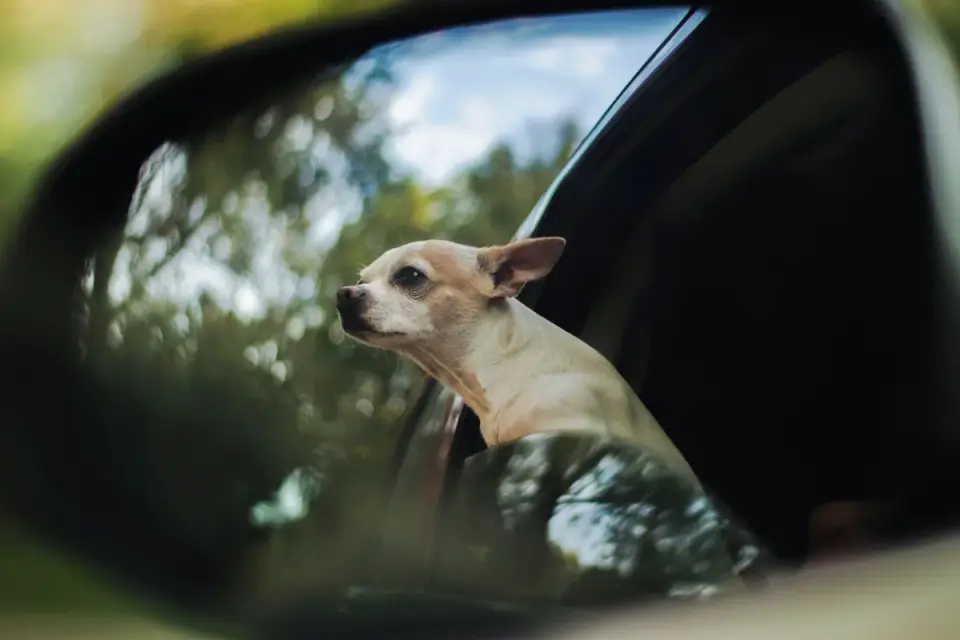
A skeptic will ask: are you really telling me to let my dog go hungry? I am telling you to let a healthy adult dog miss one meal rather than teach that worry earns toppers, cheese, and hand-feeding. You can warm the regular food with a little hot water to release aroma. You can sit nearby and keep the room quiet. What I would not do is stack three new proteins in one night to chase intake.
For puppies, plan ahead with our guide on How to Travel With a Puppy for the First Time and keep feeding times extra consistent, since young dogs have less reserve.
When the usual advice has to bend
Most dogs rebound. Some need a different plan. I think about a 13-year-old, 19-pound terrier mix I counseled before a two-night family visit. She had early kidney disease, took evening medication with food, and had skipped dinner twice before on overnight stays. For her, “wait until breakfast” was not safe because a missed pill window and dehydration risk changed the math.
We bent the rules on purpose. Her owner fed an early, smaller dinner at 5 p.m. before the final drive leg, brought water from home for the first 24 hours, set up a pen in a dim bedroom away from the gathering, and offered a spoon of the regular canned diet warmed to room temperature at bedtime just to carry medication. She ate about a third of a cup, kept meds down, and slept. Senior dogs, dogs on timed medication, diabetic dogs, and puppies under six months should not be managed with watchful waiting alone — call your veterinarian before the trip for a threshold plan.
That is also when packing matters. Review What to Pack in a Dog Travel First-Aid Kit so you have bland food, any prescriptions, and your vet’s number, and check Airline Pet Policies: What to Check Before You Book if flying adds cargo stress or a long fast to the day.
Call your vet promptly if skipping dinner comes with repeated vomiting, bloody stool, belly pain, heavy panting at rest, refusal to drink, lethargy that does not lift after sleep, or no eating for more than 24 hours in an adult or 8 to 12 hours in a puppy. Those signs move you out of normal travel stress and into medical evaluation.
You will get more mornings like that cabin morning if you protect sleep tonight.
Frequently asked questions
Is it normal for a dog to skip dinner the first night away?
Yes, for many healthy adult dogs a single skipped meal on night one is a common stress response to travel, novelty, and fatigue. Offer water, keep food and routine familiar, and most eat by breakfast. Call your vet if there is vomiting, diarrhea with blood, pain, lethargy, or no intake beyond 24 hours.
Should I offer human food to get my dog to eat?
I would not. Rich, fatty, or novel foods often cause vomiting or diarrhea on trips. Warm the regular diet with a little water, offer for 15 to 20 minutes, then try again at the next normal mealtime.
How long can a healthy adult dog go without eating while traveling?
A single missed meal is rarely an emergency in a healthy adult, but more than 24 hours without food, any refusal to drink, or added illness signs warrants veterinary advice. Puppies, seniors, and dogs on timed medication need earlier check-ins.
Sources
- Traveling With Your Pet — American Veterinary Medical Association